Understanding Asphalt Driveway Lifespan in Cold Climates
If you own a home in Duluth, you know that winters are no joke. The freeze-thaw cycles, heavy snow, and road salt create a perfect storm for asphalt deterioration. Most asphalt driveways across the United States typically last between 15 to 20 years under normal conditions. However, in Duluth and other northern Minnesota communities, you can expect that timeline to be somewhat shorter, often ranging from 12 to 18 years depending on maintenance and environmental factors.
The reason cold climates like ours are tougher on asphalt is straightforward: water is asphalt's worst enemy. When snow melts and refreezes, water seeps into small cracks and expands as it freezes, pushing the asphalt apart from the inside out. This expansion and contraction cycle happens repeatedly throughout our long winters, accelerating wear and tear far beyond what homeowners in warmer states experience. Understanding this reality helps you set realistic expectations for your driveway's lifespan and plan for maintenance or replacement accordingly.
Factors That Affect How Long Your Asphalt Driveway Will Last
Several key factors influence whether your asphalt driveway reaches the higher end of its expected lifespan or fails prematurely. The quality of the initial installation is paramount. When you choose Asphalt Driveway Paving & Installation from a reputable contractor, you're investing in proper base preparation, correct asphalt mix design, and professional compaction techniques that significantly extend driveway life. Inferior installation shortcuts can reduce your driveway's lifespan by several years.
Beyond installation quality, regular maintenance is the single most important factor in extending your driveway's life. Seal coating every two to three years protects the asphalt surface from UV rays, moisture, and chemical damage. Prompt attention to small cracks and potholes prevents them from becoming major structural problems. Snow removal techniques matter too: using a plastic shovel instead of metal, and avoiding excessive salt application, helps preserve your asphalt. Additionally, the amount of traffic your driveway receives, the weight of vehicles parked on it, and how well water drains away from the surface all play significant roles in determining longevity.
Warning Signs It's Time to Replace Your Asphalt Driveway
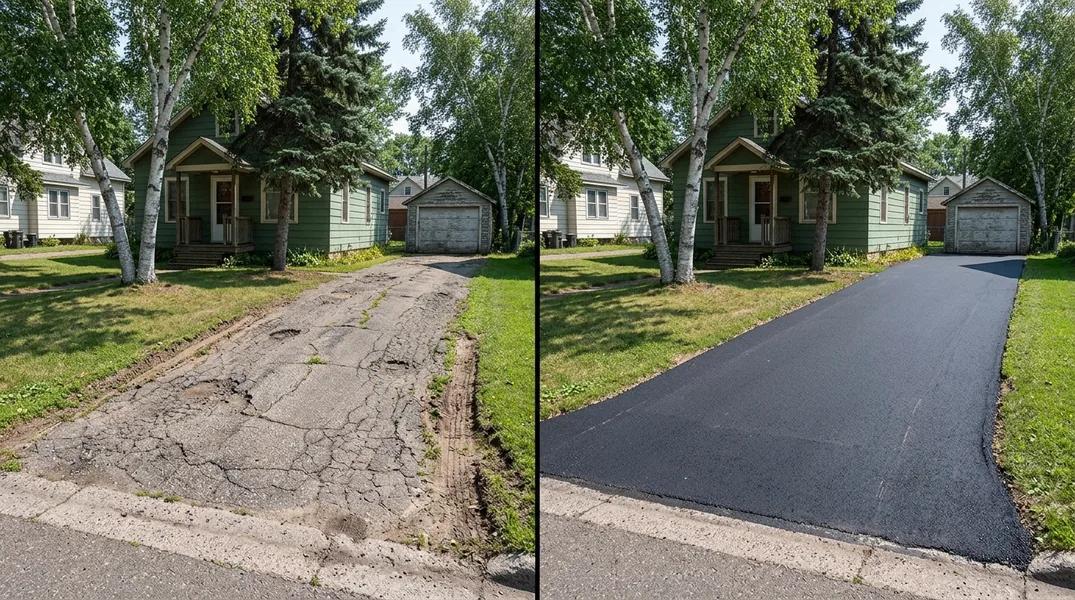
Knowing when to replace your asphalt driveway is crucial for safety and cost management. Several warning signs indicate that your driveway is nearing the end of its useful life. Extensive cracking, especially when cracks are interconnected and forming a pattern resembling alligator skin, is a red flag. Large potholes that are difficult to avoid, significant rutting or depressions where water pools, and widespread fading or discoloration all suggest that structural failure is imminent. If you're noticing multiple problems across different areas of your driveway rather than isolated issues, replacement is likely more economical than continued repairs.
Another indicator is the frequency and cost of repairs. If you find yourself calling for Driveway Repair services multiple times per year, or if Pothole Repair & Asphalt Patching costs are adding up, replacement becomes the smarter financial decision. A good rule of thumb is that if repairs are exceeding 50 percent of the cost of a new driveway, it's time to start planning for replacement. Additionally, if your driveway is already 15 to 18 years old and showing signs of distress, the remaining lifespan is likely too short to justify expensive repairs.
Extending Your Driveway's Life: Maintenance Tips for Duluth Homeowners
Proper maintenance can add years to your asphalt driveway's life, even in Duluth's challenging climate. The most important maintenance task is seal coating, which should be performed every two to three years. Seal coating creates a protective barrier against water infiltration, UV damage, and chemical exposure from road salt and oil spills. It also restores the dark appearance of your driveway, making it look newer and more attractive. Before applying seal coat, ensure any cracks are cleaned and filled to prevent water from penetrating beneath the surface.
Crack sealing is another essential maintenance practice that should not be neglected. Small cracks are easy and inexpensive to repair but become expensive problems when left untreated. When water enters cracks and freezes during Duluth winters, it expands and widens the damage. Professional crack sealing involves cleaning the crack thoroughly and filling it with a flexible material that moves with the asphalt as temperatures fluctuate. Additionally, ensure proper drainage around your driveway by maintaining gutters and downspouts so water doesn't pool on the surface. Clear debris regularly, and consider using a sealant specifically formulated for cold climates to maximize protection during our harsh winters.
When to Consider Asphalt Resurfacing vs. Full Replacement
Between complete replacement and minor repairs lies an excellent middle-ground option: Asphalt Resurfacing & Overlay. This process involves applying a new layer of asphalt over your existing driveway, which can extend its life by 8 to 15 years at a fraction of the cost of full replacement. Resurfacing works well when your driveway's base and subgrade are still structurally sound but the surface has deteriorated. If you're seeing widespread surface cracking but the driveway isn't settling or showing signs of base failure, resurfacing is often the perfect solution.
However, resurfacing isn't always the right choice. If your driveway has severe structural issues, extensive base damage, or poor drainage problems, these underlying issues need to be addressed before any overlay can be successful. A professional assessment is essential to determine whether your driveway is a candidate for resurfacing or if full replacement is necessary. The good news is that whether you need resurfacing or replacement, the result will be a durable, attractive driveway built to withstand Duluth's winters for years to come. Contact Duluth Asphalt Paving at (218) 514-6861 to schedule a free estimate and learn which option makes the most sense for your specific situation.
Asphalt Driveway Paving & Installation Cost in Duluth: What to Budget
Understanding the investment required for a new asphalt driveway helps you plan your home improvement budget effectively. The cost of Asphalt Driveway Paving & Installation varies based on several factors including driveway size, existing base conditions, site accessibility, and current material prices. On average, homeowners can expect to pay between $3 to $6 per square foot for a professionally installed asphalt driveway, though this can vary. For a typical two-car driveway of around 500 to 600 square feet, you're looking at a total investment in the $1,500 to $3,600 range. Resurfacing options are considerably less expensive, typically ranging from $1.50 to $3 per square foot.
While cost is certainly an important consideration, remember that choosing the cheapest contractor isn't always the wisest decision. Quality materials, proper installation techniques, and experienced crews ensure your driveway reaches its full potential lifespan. Investing in professional installation from a reputable company like Duluth Asphalt Paving now can save you thousands in premature repairs or replacement down the road. For detailed pricing tailored to your specific project, reach out to our team. We're happy to discuss your options and provide a transparent estimate so you can make an informed decision about your driveway investment.
Looking for a professional asphalt paving contractor in Duluth? Duluth Asphalt Paving responds fast for all your asphalt paving needs.
Get a Free Quote