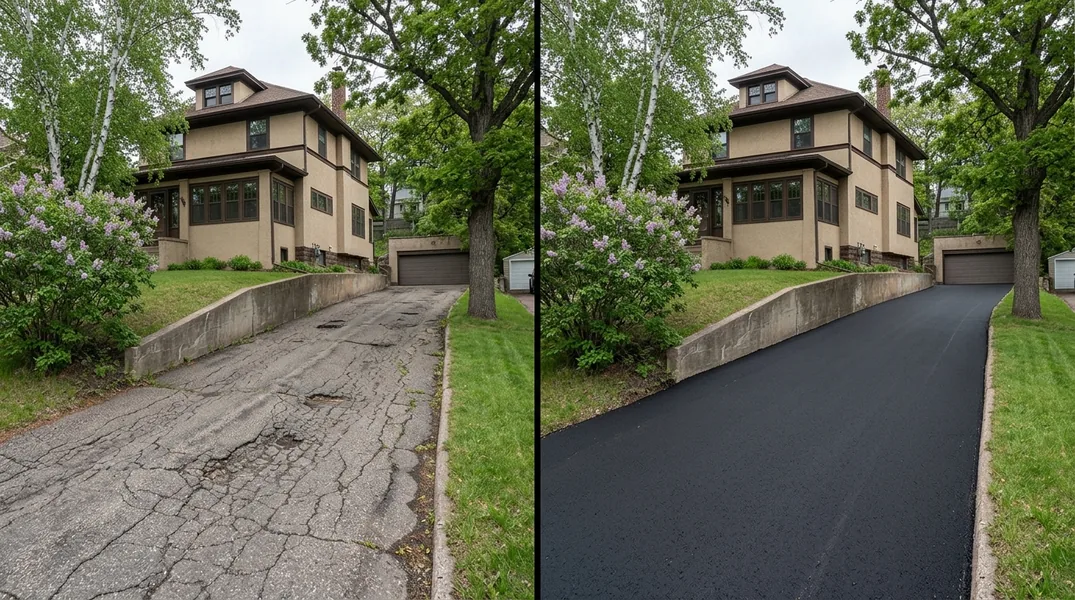
How Long Does New Asphalt Take to Cure?
When you invest in Asphalt Driveway Paving & Installation in Duluth, understanding the curing process is essential to protecting your investment. New asphalt doesn't harden instantly. Instead, it goes through a curing phase where the binder (the glue that holds the aggregate together) gradually sets and hardens. This process typically takes 24 to 48 hours for the asphalt to reach initial hardness, but full curing can take anywhere from 30 to 90 days depending on weather conditions and temperature.
In Duluth, where temperatures fluctuate seasonally, curing time can be affected by the season in which your driveway is paved. Warm weather accelerates the curing process, while cooler temperatures slow it down. During the initial 48 hours, the asphalt will be soft and vulnerable to damage from vehicle traffic, foot traffic, and weather exposure. Even light pressure can leave impressions or cause the surface to shift slightly. This is why patience during the early curing stages is crucial for achieving a long-lasting, smooth driveway.
How Long Before You Can Drive on New Asphalt?
One of the most common questions homeowners ask after professional Asphalt Driveway Paving & Installation is when they can safely drive on their new surface. The short answer is that you should wait at least 24 to 48 hours before driving on newly paved asphalt, though some contractors recommend waiting even longer for heavier vehicles or if temperatures are cool. During this waiting period, the asphalt is still soft and pliable, and vehicle weight can create ruts, depressions, or cause the surface to shift unevenly.
After the initial 48 hours, your driveway can typically handle regular passenger vehicle traffic, but you should still avoid parking heavy trucks, RVs, or allowing vehicles to remain stationary in one spot for extended periods. The asphalt will continue to harden over the following weeks and months. For approximately the first two weeks, it's best to avoid rapid acceleration, hard braking, or sharp turns that could stress the still-curing surface. By the 30 to 90 day mark, your asphalt will have achieved sufficient hardness to handle normal use without concern, though it will continue to gain strength over time.
New Asphalt Driveway Care: Essential First Steps
Proper care during the first few weeks after installation is one of the most important investments you can make in your driveway's longevity. Beyond simply avoiding traffic, there are several active steps you should take to protect your new asphalt. First, keep the surface clean and dry during the curing period. Avoid washing your driveway or allowing standing water to accumulate, as moisture can interfere with the curing process. Similarly, try to prevent oil spills, fuel leaks, or chemical exposure, as these substances can soften the asphalt before it has fully hardened.
During the first 30 days, monitor your driveway for any unusual settling or surface irregularities. While minor variations in texture are normal, significant dips, cracks, or soft spots should be reported to your contractor immediately. Many reputable paving companies, including Duluth Asphalt Paving, offer warranty coverage that addresses defects discovered shortly after installation. Additionally, avoid placing heavy objects, such as dumpsters, storage containers, or equipment, on your new asphalt during the initial curing phase. These items can create permanent impressions or cause localized damage that would require Driveway Repair services to correct.
Preparing Your New Asphalt for Duluth's Winter
As the colder months approach in Duluth, homeowners with newly paved driveways need to take extra precautions. If your asphalt was installed in late summer or early fall, it may not have reached complete hardness before winter arrives. Fully cured asphalt is more resilient to freeze-thaw cycles, but asphalt that hasn't fully cured is more susceptible to damage from moisture penetration and temperature fluctuations. To protect your investment, ensure your driveway has adequate drainage to prevent water from pooling on the surface or seeping into cracks.
Before winter weather hits, consider applying a protective seal coat to your new asphalt if it has cured for at least 90 days. A seal coat acts as a barrier against moisture, UV rays, and harsh chemicals like road salt. However, if your asphalt is still curing, wait until it has fully hardened before sealing. When winter arrives, use sand or kitty litter for traction instead of rock salt, which can accelerate asphalt deterioration. If you must use salt products, choose calcium chloride or magnesium chloride, which are gentler on asphalt than sodium chloride. Avoid using metal snow shovels directly on the asphalt surface, as this can scrape away the top layer and create vulnerabilities to water penetration.
How Often to Seal Driveway: A Long-Term Maintenance Plan
Once your new asphalt has fully cured (typically after 90 days), establishing a regular seal coating schedule is one of the most cost-effective ways to extend its lifespan. Most experts recommend seal coating every two to three years, though this timeline can vary depending on climate, traffic volume, and sun exposure. In Duluth, where winters are harsh and UV exposure during summer months is significant, maintaining this schedule is particularly important. A quality seal coat protects the asphalt binder from oxidation, prevents water intrusion, and makes the surface more resistant to oil stains and chemical damage.
Between seal coat applications, perform regular maintenance to keep your driveway in top condition. This includes sweeping away debris, filling small cracks with crack filler, and addressing any potholes or damaged areas promptly with Pothole Repair & Asphalt Patching services. If your driveway shows signs of significant wear, widespread cracking, or surface deterioration, Asphalt Resurfacing & Overlay may be a cost-effective alternative to full replacement. By staying proactive with maintenance and seal coating, you can significantly extend your driveway's life and avoid expensive repairs down the road.
When to Call a Professional: Getting Expert Guidance
If you're unsure about any aspect of caring for your newly paved asphalt, don't hesitate to reach out to the professionals who installed it. The team at Duluth Asphalt Paving has extensive experience with new asphalt installation and ongoing maintenance, and they're happy to answer questions about your specific driveway. Whether you're wondering about curing time, appropriate care practices, or when to schedule your first seal coat, a quick phone call to (218) 514-6861 can provide peace of mind and ensure you're following best practices for your investment.
If you're considering new asphalt paving or need advice on maintaining an existing driveway, contact Duluth Asphalt Paving today for a free estimate. Our team is committed to helping homeowners in Duluth achieve beautiful, durable driveways that stand the test of time. With proper installation and thoughtful maintenance, your new asphalt driveway will provide years of reliable service and enhance your home's curb appeal.
Looking for a professional asphalt paving contractor in Duluth? Duluth Asphalt Paving responds fast for all your asphalt paving needs.
Get a Free Quote